What Do Lawn Tunnels Mean for North Dakota Homeowners?
Raised ridges and shallow tracks point to different lawn visitors: moles push up soil while voles leave narrow surface runways and may clip grass. Check the pattern before setting traps or treating the yard. We hear the urgency in calls like, “I want it taken out right away.
I already got stung ones”; that concern describes a painful stinging-pest problem, not proof that a lawn tunnel contains a mole or vole. A careful identification step helps prevent spending on the wrong treatment.
Our crew brings that same inspection-first approach to North Dakota properties, from homes near Fort Abraham Lincoln State Park in Mandan to the area around Fort Union Trading Post National Historic Site near Williston. Tell us what you see, and we can help sort out the next step.
How do mole tunnels differ from vole runways?
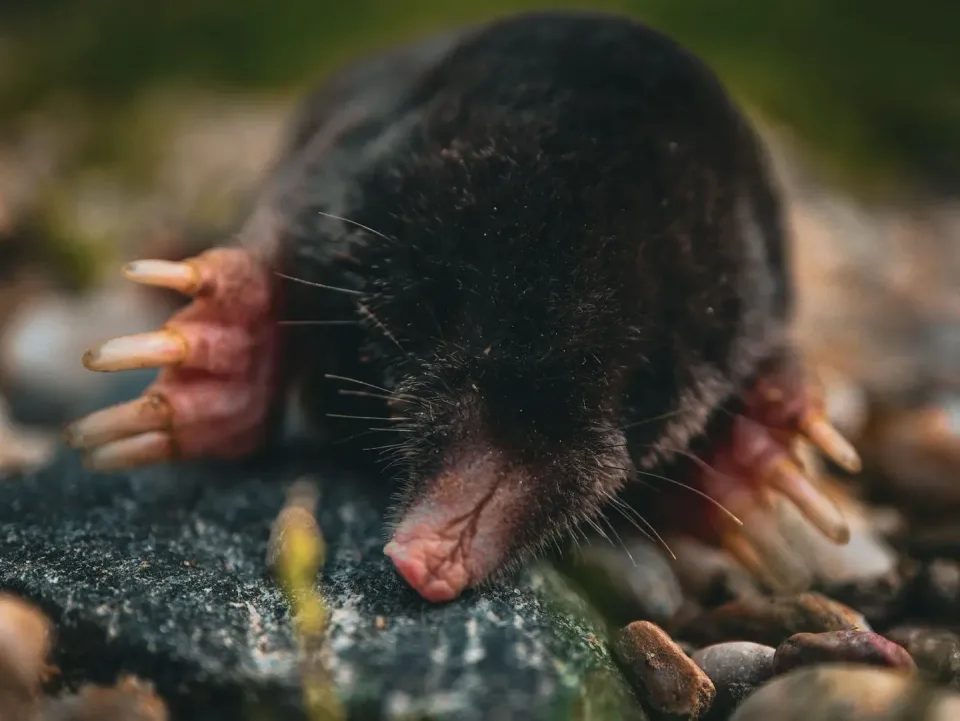
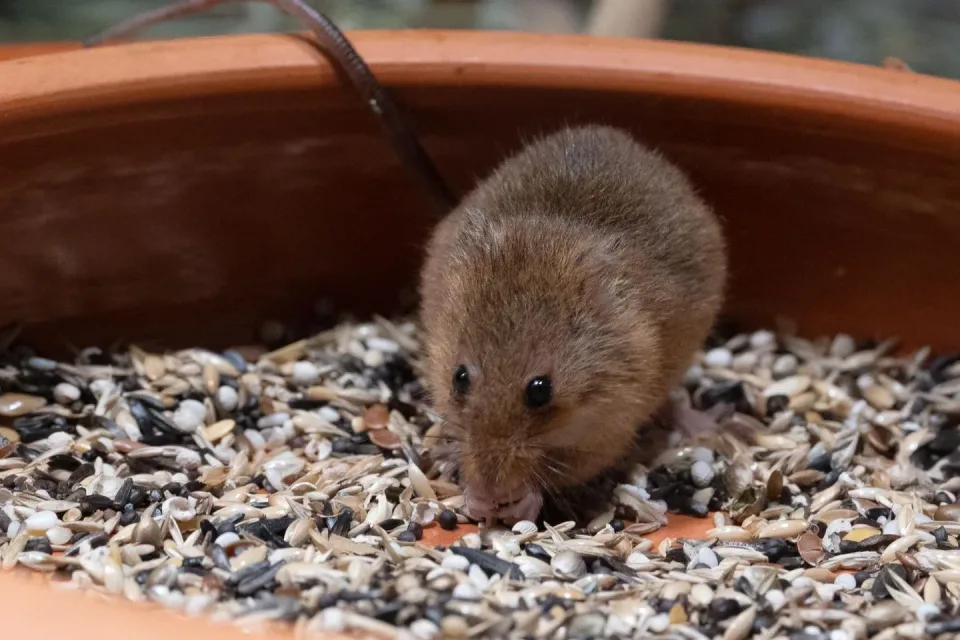
Mole tunnels usually appear as raised, winding ridges where soil has been pushed up from below. A vole more often travels along a visible surface runway through grass or ground cover; look for small openings and clipped vegetation beside it.
These signs are clues, not a guarantee, so follow a tunnel’s shape and inspect nearby plants before deciding what is active. The distinction matters: a treatment aimed at the wrong animal can leave the lawn damage untouched.
Around Downtown Minot, as elsewhere in the state, a dry yard can still attract animals seeking food or cover; dry western conditions can also increase water-seeking pest activity, so check irrigation leaks and damp pockets as part of the inspection.
What lawn signs help confirm the animal?
Look for a raised ridge you can trace with your eyes, then inspect the edge of the turf for a surface path, small openings, and fresh plant damage. Moles feed on underground prey and disrupt soil as they travel; voles use protected runways and may damage grass or plants.
Don’t rely on one footprint or a single mound. Activity can shift, and old damage may remain after the animal has moved on.
We start with pest identification and inspection, then check where the signs connect rather than treating every disturbed patch. That matters after weather damage, too: periodic hail can damage siding and vent covers, and a storm-battered yard may have other changes that complicate a quick visual read.
Near the Fargo Theatre, for example, a lawn’s appearance is still more useful than the neighborhood name; photos of the ridge and nearby vegetation help explain what you have found. Our Mole Control inspection and treatment focuses on identifying the animal and activity before recommending a response.
Should you try DIY control or call a pro?
If you have a few short, clear runways and no uncertainty about what is making them, you can document the pattern and monitor for fresh activity before acting. Avoid placing a trap or applying a product based only on a raised patch; misidentification can waste effort and expose pets or wildlife to an unsuitable approach. Call for an inspection when damage keeps spreading, the signs don’t fit one animal, or you cannot safely identify a treatment location.
Our field process checks for active signs and likely harborage, then explains the options before work begins. For guidance on a different kind of home pest evidence, see our guide to checking for rodents in a Fargo attic. Keep the lawn observation focused on the animal you can confirm; do not treat mole and vole signs as interchangeable.
What does weather damage mean for lawn edges?
Storm damage can make a lawn harder to read. Hail can break or loosen siding and vent covers, while disturbed turf and debris may hide the edges of a runway. Clear loose debris carefully, photograph the affected area, and look again for new tracks or fresh soil movement rather than assuming every mark is current activity.
The same practical rule applies to wildlife control: find the animal and its active route before choosing a method. If you want help deciding whether the damage points to moles or voles, we can inspect the signs, discuss the treatment plan, and explain what to expect before starting.
Which Mole and Vole Signs Should You Compare?
Compare the visible evidence before choosing a response; these clues help narrow the identification, but they do not replace an inspection when signs are unclear.
| Option | Best for | Key detail |
|---|---|---|
| Raised soil ridge | Suspected mole activity | Follow the continuous ridge; it is soil pushed upward from below. |
| Surface runway | Suspected vole activity | Check grass and ground cover for a narrow, visible travel path. |
| Plant inspection | Possible vole damage | Look beside the runway for clipped vegetation or small openings. |
| Professional inspection | Unclear or recurring damage | Confirm the pest before treatment is selected. |
If you are near North Dakota Highway 200, Interstate 94, or Downtown Bismarck, the identification method is the same: examine the actual lawn signs, not the route or town. The Dakota Territory Air Museum in Minot is another local reference point, but the tunnel pattern is what guides the inspection.
How Do You Check Lawn Tunnels Before Treatment?
If mole tunnels disrupt lawn edges, photograph the ridges and nearby plants before disturbing the soil. A clear record helps distinguish fresh activity from older damage.
-
Document the signs: Take wide and close photos of the ridge, runway, and any plant damage.
-
Note where activity appears: Mark whether the soil is raised or a surface path is visible.
-
Keep pets away: Prevent pets from disturbing suspected activity while you inspect.
-
Share your observations: Describe when the damage appeared and whether it has spread.
-
Confirm pest identity: Ask for an inspection before choosing a control method.
-
Plan a follow-up: Recheck the same spots for new signs after the inspection or treatment.
North Dakota’s rainfall varies across eastern and western parts of the state, so note whether recent wet or dry conditions changed what you see. In Downtown Fargo, as in other communities, long winters can drive rodents indoors; that is a separate concern from yard tunnels, but it is a reason to mention other pest signs during a visit.
Chahinkapa Zoo in Wahpeton and the Lewis and Clark Riverboat in Bismarck are useful local landmarks, not indicators of which animal is in your lawn. Ask what evidence supports the identification and what follow-up is recommended.
Ready to Get Help Identifying Lawn Tunnels?
A raised soil ridge and a surface runway suggest different animals, so identify the signs before acting. If tunnels keep returning, the pattern is confusing, or you are unsure which treatment fits, ask for an inspection.
North Dakota Pest Pros explains what we find and what we recommend before beginning work. In planning an exterior repair, Tornado risk requires secure, weather-resistant exterior repairs; that is a reminder to consider durable fixes when lawn or property work involves exposed structures.
The Medora Musical amphitheater in Medora and the North Dakota State Capitol in Bismarck are familiar state landmarks, while the Plains Art Museum in Fargo grounds our local coverage. For help with suspected mole activity, contact our team about Mole Control and share a photo of the affected lawn.