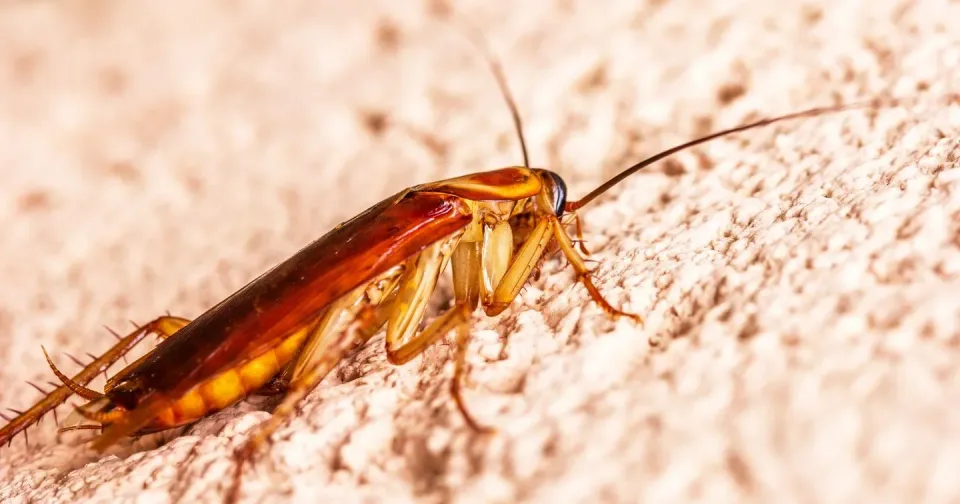
Why Do Cockroaches Gather Near Basement Drains?
Cockroaches near a basement drain often point to moisture, a nearby harborage, or a route into the room not simply a dirty floor. Dry the area, note when activity appears, and avoid pouring pesticide into a drain. Small clues matter.
Residents near the University of North Dakota in Grand Forks may recognize how quickly a single pest concern can turn into a request for a clear inspection and treatment plan. A customer asking for an inspection and a quote for bed bug heat treatment needs a defined scope before deciding; that request is different from cockroaches, but the same need for specific findings applies.
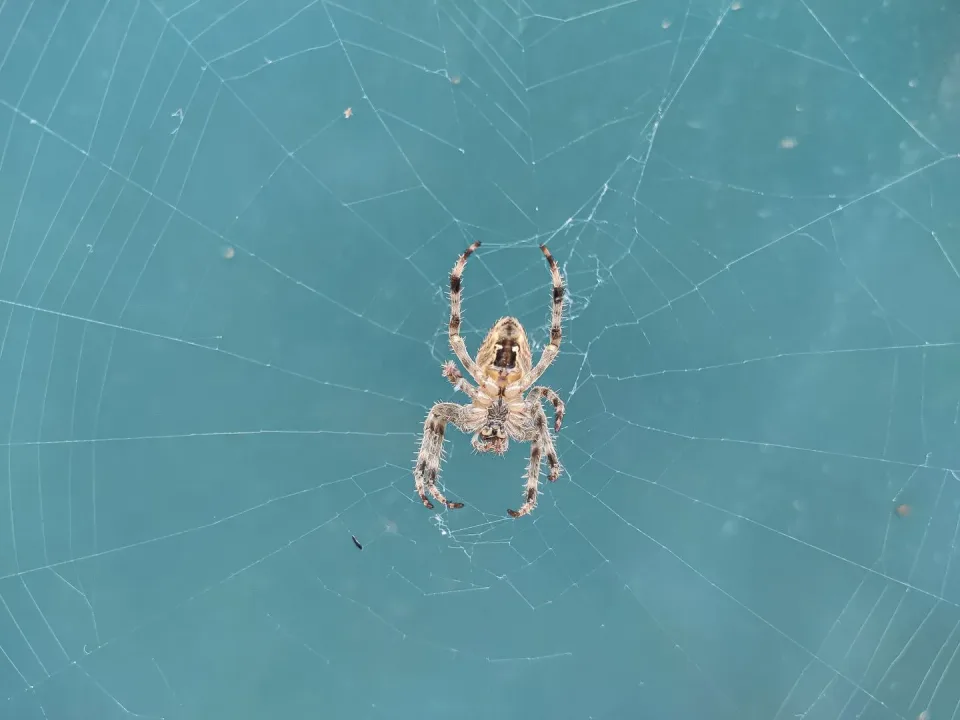
Someone saying they are “getting ate up” should record what they see and where, rather than assume the insect is a cockroach. We inspect first, then explain the evidence and options.
What does a drain-side sighting tell you?
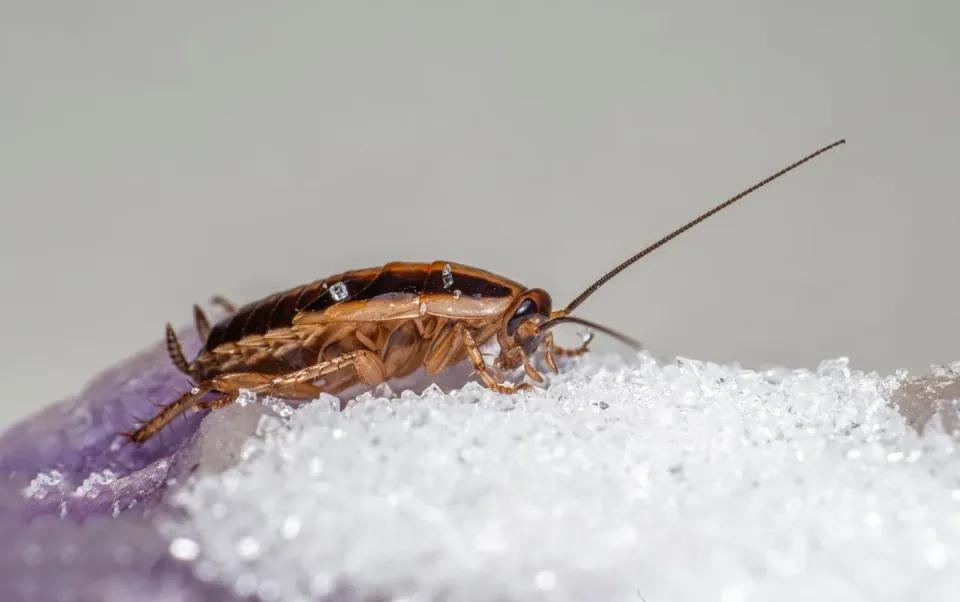
A cockroach appearing beside a basement drain may be following moisture, sheltering in a tight gap, or passing through the room from another hiding place. The sighting alone does not prove the drain is the nest.
Check whether the drain cover sits flush, whether nearby pipes leave open gaps, and whether water remains on the floor after use. In the field, a missed pipe opening can matter as much as the drain itself; inspect the surrounding wall and floor seam before treating.
Eastern North Dakota generally receives more precipitation, so damp basement conditions deserve attention after wet periods. Dry visible water and repair the source if you can identify it, but do not seal a drain or block plumbing access. North Dakota Pest Pros uses inspection and monitoring to connect sightings with likely harborages before recommending a treatment.
Could moisture near I-94 be part of the problem?
If cockroaches appear repeatedly around a drain, check for a slow leak, condensation, or a floor that stays damp. Buildings across the I-94 corridor vary, so a route number cannot identify a pest source; the useful clues are the room’s plumbing, gaps, and repeated activity. The North Dakota State Capitol in Bismarck is a familiar statewide reference, but homeowners should focus on their own basement’s conditions rather than assume every property has the same risk.
The North Dakota Museum of Art in Grand Forks provides another regional landmark; for a home visit, we ground recommendations in what the inspection actually shows. We look around drain edges, pipe penetrations, stored items, and utility openings. A practitioner detail people often miss: moving boxes away from the wall before inspection reveals gaps that a quick glance from the center of the room can hide.
When is DIY cleanup not enough?
For one occasional sighting, you can remove the insect, dry the area, and keep food and waste contained while watching for more evidence. Do not spray indiscriminately into a drain or around plumbing; a surface application may miss insects tucked into a crack. If sightings continue, appear in several rooms, or include small insects and droppings in hidden spots, professional pest identification is the better next step.
A technician can distinguish cockroaches from other insects and identify the places they shelter. North Dakota State University in Fargo is a useful local reference, but a home treatment decision should rest on the inspection findings, not a general assumption. For a focused plan, see our Cockroach Treatment service, which explains how targeted treatment can address identified harborages.
What should a targeted treatment address?
Treatment should match the pest’s location and the conditions supporting it. A targeted crack-and-crevice application reaches narrow gaps where cockroaches may hide; it is not a reason to coat every basement surface. Ask which areas will be treated, what preparation is needed, and what follow-up signs should prompt a reinspection.
Where activity appears beside a drain, we check nearby plumbing openings and damp hiding places rather than treating the drain as the only possible source. The North Dakota Heritage Center & State Museum in Bismarck is a landmark, not a measure of local pest pressure; each property needs its own assessment.
Our crew explains findings and recommendations before work begins. That keeps the plan tied to evidence.
Which Cockroach Drain Treatment Option Fits?
If you see one cockroach near a basement drain, start by drying the area and checking for repeat activity; a recurring sighting calls for closer inspection. The right approach depends on whether the insect is using a crack, plumbing gap, or broader harborage. No one treatment fits every case.
| Option | Best for | Key detail |
|---|---|---|
| Cockroach bait | Activity linked to a confirmed route or harborage | Placement should follow inspection, not guesswork |
| Targeted crack-and-crevice application | Cockroaches hiding in narrow seams | Treats identified gaps rather than broad surfaces |
| Drain-area inspection | Sightings beside a basement drain | Check drain edges, plumbing penetrations, and nearby moisture |
| Reinspection and monitoring | Activity that continues after initial work | Record where and when sightings occur |
Rainfall varies across eastern and western North Dakota, so the moisture picture differs by property and season. Before treatment, ask what evidence supports the proposed placement and whether follow-up is recommended.
Prepare the Basement for Drain Inspection
-
Record the sighting: Note the date, room, and whether the cockroach was beside the drain or a nearby wall.
-
Clear the inspection area: Move stored items away from the drain and plumbing so the technician can see floor edges and pipe openings.
-
Check for seepage: Spring snowmelt may cause localized basement seepage; tell the technician if water appears after thaw or rain, since wet conditions can affect the inspection.
-
Keep access open: Leave a clear path to utility areas and avoid removing drain covers unless a plumber has advised you to do so.
-
Follow treatment directions: If treatment is recommended, follow the product-label reentry interval and keep people and pets out as directed.
-
Plan a follow-up: Schedule a check after the monitoring period and report any new sightings. A visit to the Red River of the North does not tell us what is happening in your basement; your dated observations do.
Should You Call for Cockroaches Near a Basement Drain?
Cockroaches appearing near basement drains more than once deserve an inspection, especially if you find activity in nearby cracks or plumbing gaps. Drying the area is a sound first step, but it will not explain where the insects are sheltering.
Our inspection-led treatment planning connects the sighting to conditions in the home and helps avoid treating the wrong spot. In Downtown Fargo, freeze-thaw cycles can stress caulking and exterior seals, so mention any new gaps you have noticed during the visit.
North Dakota Pest Pros will explain what we find and what we recommend before work begins. Contact our crew to discuss a basement inspection or request a quote.