How Do You Check a Mattress After Bed Bug Bites?
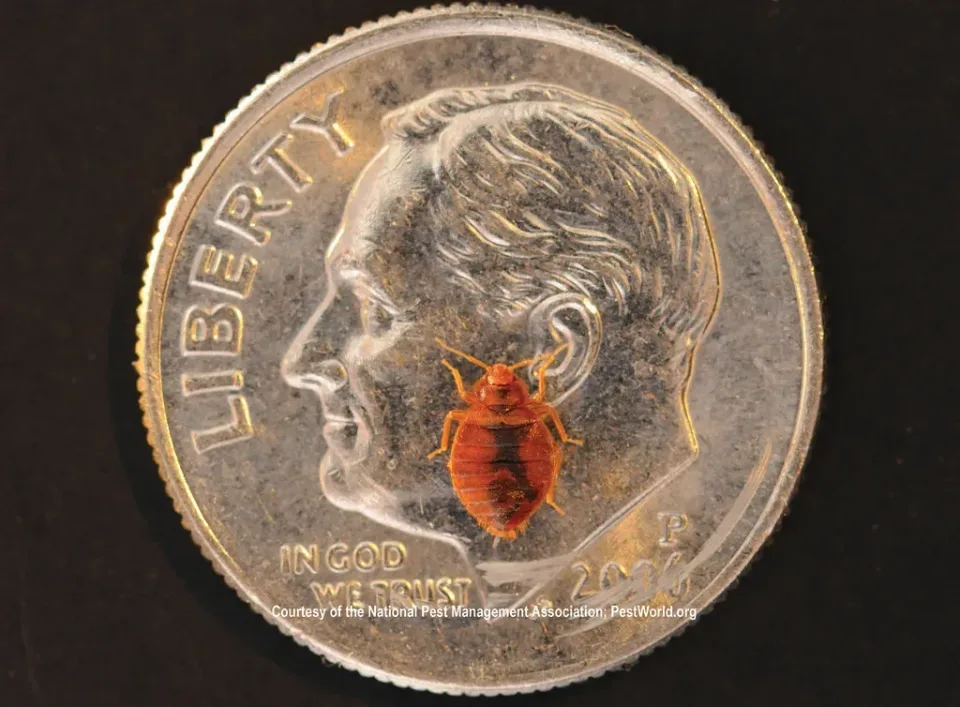
Bed bug bites after overnight sleep are a reason to inspect the bed and nearby hiding places, but bites alone do not confirm bed bugs. Look closely for insects, shed skins, or dark spotting along mattress seams and the bed frame.
Downtown Fargo residents can use the same careful inspection routine as homeowners elsewhere in North Dakota: check the bed first, then expand the search to nearby furniture. A visit to Chahinkapa Zoo in Wahpeton is a reminder that seeing a mark or spot does not identify its source; confirm signs before choosing treatment.
Freeze-thaw cycles stress caulking and exterior seals, so inspect any gaps around the bedroom window or baseboard as part of the room check. If you find signs, photograph them and avoid moving bedding to another room.
What should you inspect after waking with bites?
Start with the mattress seams, piping, labels, and corners; then inspect the box spring, bed frame joints, and headboard. Use a flashlight and move slowly. Look for live insects, pale shed skins, tiny eggs, or dark specks that may be spotting. One mark by itself is not proof, so look for several signs in likely hiding places.
Check the bedside table, upholstered furniture, and the edge of the carpet near the bed. At the Plains Art Museum in Fargo, visitors view works from different angles; use that same change of angle when examining a seam or furniture joint.
A flashlight held low can make small debris and raised edges easier to see. Do not shake bedding or carry a potentially infested item through the home. Bag it in place if you need to isolate it.
Can you confirm bed bugs from bites alone?
No. Bite patterns vary, and other skin irritations can resemble bites, so a rash cannot reliably identify the pest. Look for physical evidence in the room and, if uncertain, keep a clear photo or safely contained specimen for identification. Avoid applying pesticide to your skin or mattress without checking that the product label permits that use.
In our North Dakota inspections, a common missed step is checking the bed frame and headboard after searching only the mattress. Bed bugs can hide in narrow joints and tucked fabric.
North Dakota State University, Fargo, is a useful local reference point, but the practical lesson at home is simple: inspect the full sleeping area rather than assuming the mattress is the only place to check. We document signs and likely harborages before discussing a treatment plan.
When should you handle the check yourself?
A careful visual inspection is a reasonable first step when you have bites but no confirmed insect or other evidence. Record where you find marks, note when they appeared, and inspect both sides of the mattress and the bed structure. Keep the room organized while you look; clearing clutter around the bed makes it easier to see hiding places without spreading belongings elsewhere.
Call a professional when you find a live insect, repeated signs, or evidence in more than one sleeping area. North Dakota’s weather can be severe, and tornado risk requires secure, weather-resistant exterior repairs; that is a separate home-maintenance concern, not a bed bug treatment.
Indoors, the decision turns on evidence and the extent of suspected activity. Our crew can inspect, identify likely harborages, and explain what we recommend before work begins.
Why does a room inspection matter?
Treating only the mattress can miss activity in the frame, furniture, or other nearby hiding spots. A useful inspection follows the signs outward from the bed and records where evidence appears, instead of treating every room the same way. That makes the next step more specific.
North Dakota Pest Pros uses inspection and monitoring to guide Bed Bug Treatment; our crew explains findings and preparation needs before applying any product. If you are comparing options, our bed bug treatment service explains how a professional plan addresses confirmed activity. For other articles on household pest signs, visit the North Dakota Pest Pros Blog.
Which Bed Bug Check Should You Choose?
A visual check helps you decide whether there is evidence to document; professional inspection is useful when signs persist or are hard to identify. Interstate 94 crosses North Dakota, so a traveler returning home can inspect luggage seams and the bed before unpacking throughout the bedroom.
North Dakota Highway 200 also connects communities across the state, where people may stay in different lodging; check bags after trips rather than assuming bites identify the source. The state’s humid continental climate brings four distinct seasons, but bed bug room checks depend on indoor evidence, not the season.
| Option | Best for | Key detail |
|---|---|---|
| Visual mattress check | First look at home | Inspect seams, piping, corners, and labels |
| Full bed-area check | Searching nearby hiding places | Include frame joints, headboard, and bedside furniture |
| Professional inspection | Unclear or repeated signs | Confirms evidence and likely harborages |
| Encasement | Containing bugs in an encased mattress | Sizes range from twin through California king |
How Should You Prepare for a Bed Bug Inspection?
You wake with fresh marks and find a dark speck near a mattress seam. Photograph the spot before cleaning, then arrange an inspection if you find repeated signs or cannot identify them.
Periodic hail can damage siding and vent covers, so note any exterior damage separately rather than mistaking it for evidence of bed bugs. University of North Dakota, Grand Forks, is a familiar regional reference, but the steps below work wherever you live.
-
Record signs: Photograph insects, spotting, or shed skins where found, and note the room and date.
-
Secure pets: Keep pets away from the inspection area while the technician checks the room.
-
Clear access: Move storage away from the bed and wall edges so seams and nearby furniture are reachable.
-
Share history: Tell the technician about recent pesticide applications and any rooms with suspected activity.
-
Follow directions: If treatment is recommended, follow the product-label reentry interval before returning to treated areas.
Subzero temperatures can freeze exposed water lines, so avoid storing belongings in utility spaces where access is needed for winter maintenance. Ask what to leave in place and what preparation is required.
Get Clear Answers About Bed Bug Bites
Bites after sleep deserve a careful room check, but they do not prove bed bugs by themselves. Look for physical signs around mattress seams, the bed frame, and nearby furniture; take photos and avoid carrying bedding into another room. Bed bug eggs commonly hatch in about 6–10 days, which is one reason a suspected infestation may need follow-up rather than a single quick look.
At North Dakota Pest Pros, we explain what we find and what we recommend before starting work. Contact us to discuss an inspection, or review our Bed Bug Treatment service to see how we address confirmed activity.